Behind every headline about Florida State’s football roster lies a hidden hierarchy of players who rarely see the spotlight. These athletes, often sitting on the bench or behind starters, form an unspoken depth chart that coaches and scouts quietly monitor. Understanding this layered roster can reveal a treasure trove of talent that fans and analysts routinely miss.
What Is a Depth Chart, and Why Does Florida State Keep It Subtle?
A depth chart ranks athletes by position, indicating who starts and who is available to step in. Unlike the public charts that list the first‑team lineup, Florida State’s internal charts include practice squad performances, injury status, and developmental potential. Coaches prefer this silence to protect emerging players from external pressure, ensuring they develop without the weight of expectations.
How to Spot the Undervalued Players on Campus
- Attend Practice Sessions
Observation of drills and scrimmage games offers clues. Pay attention to who shows consistency in execution, who runs routes cleanly, and whose footwork outpaces the starter. - Analyze Game Film
Reviewing unused snaps can highlight players who read defenses well but are overlooked because of a crowded position group. - Consult Coaching Staff Statements
Coaches often hint at future starters in press releases or post‑game interviews; noting these cues can point to hidden gems. - Track Stat Progression in Practice Games
Players who steadily improve tackle counts or blocking metrics, even if they play limited minutes, are prime candidates for the depth chart rise.
The Impact on Coaching Decisions
Coaches rely on these unspoken rankings to make snap‑decision adjustments. When a starter is injured or a game plan requires a specific skill set, the depth chart is consulted. Because Florida State’s roster is historically deep—especially at skill positions like wide receiver and defensive back—these charts often influence play‑calling in critical moments. This practice keeps the team competitive and ensures that every athlete has a measurable path to the field.
Where to Find the Next Rising Star
Start with the campus’s training facilities and track the athletes who receive extra reps during team sessions. Local high‑school talent pipelines, such as those in Miami, Tampa, and Orlando, often feed into FSU’s recruitment pool. By cross‑referencing the state’s map of high‑school football hotspots, one can identify regions producing high‑potential players who might not yet be on national radar.

Implications for Fans and Analysts
For trend‑aware readers, understanding the depth chart’s hidden layers adds depth to game analysis. A player who consistently appears on the chart’s “second tier” could become a breakout star if a starter underperforms. Tracking these athletes provides a more nuanced view of team dynamics and helps identify future draft prospects.
Practical Takeaways
- Follow practice footage and coaching commentary for early indicators.
- Use state‑wide recruiting maps to spot emerging talent pools.
- Watch for players who show adaptability—those who excel in multiple roles are often the most valuable off‑bench contributors.
While the headline focus often lands on starting quarterbacks or star wide receivers, Florida State’s unspoken depth chart holds a narrative of perseverance and hidden skill. By following the clues it offers, trend‑savvy fans and analysts alike can uncover the next wave of talent poised to reshape the Seminole legacy.
Florida Geography Map
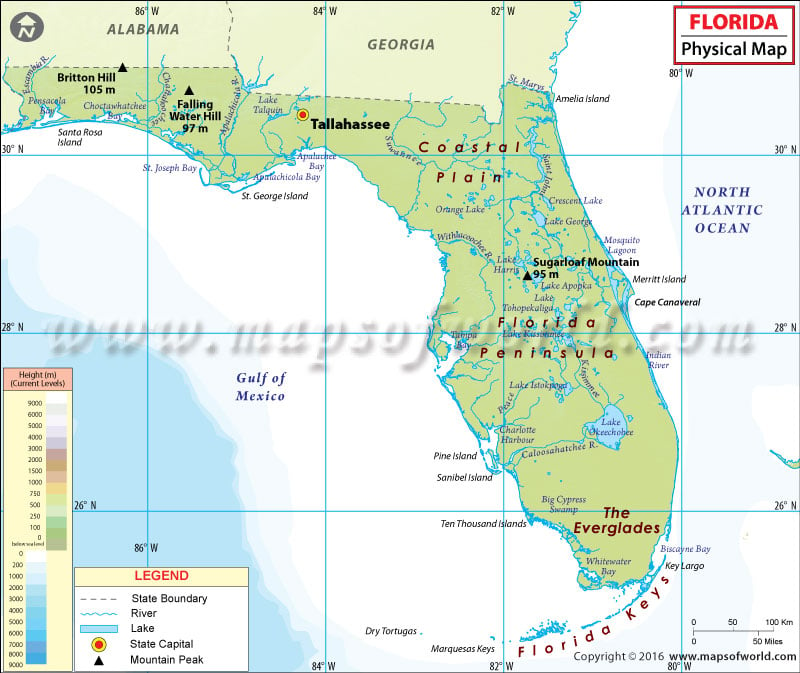
Florida Geography Map
Florida State Map - Places And Landmarks - GIS Geography
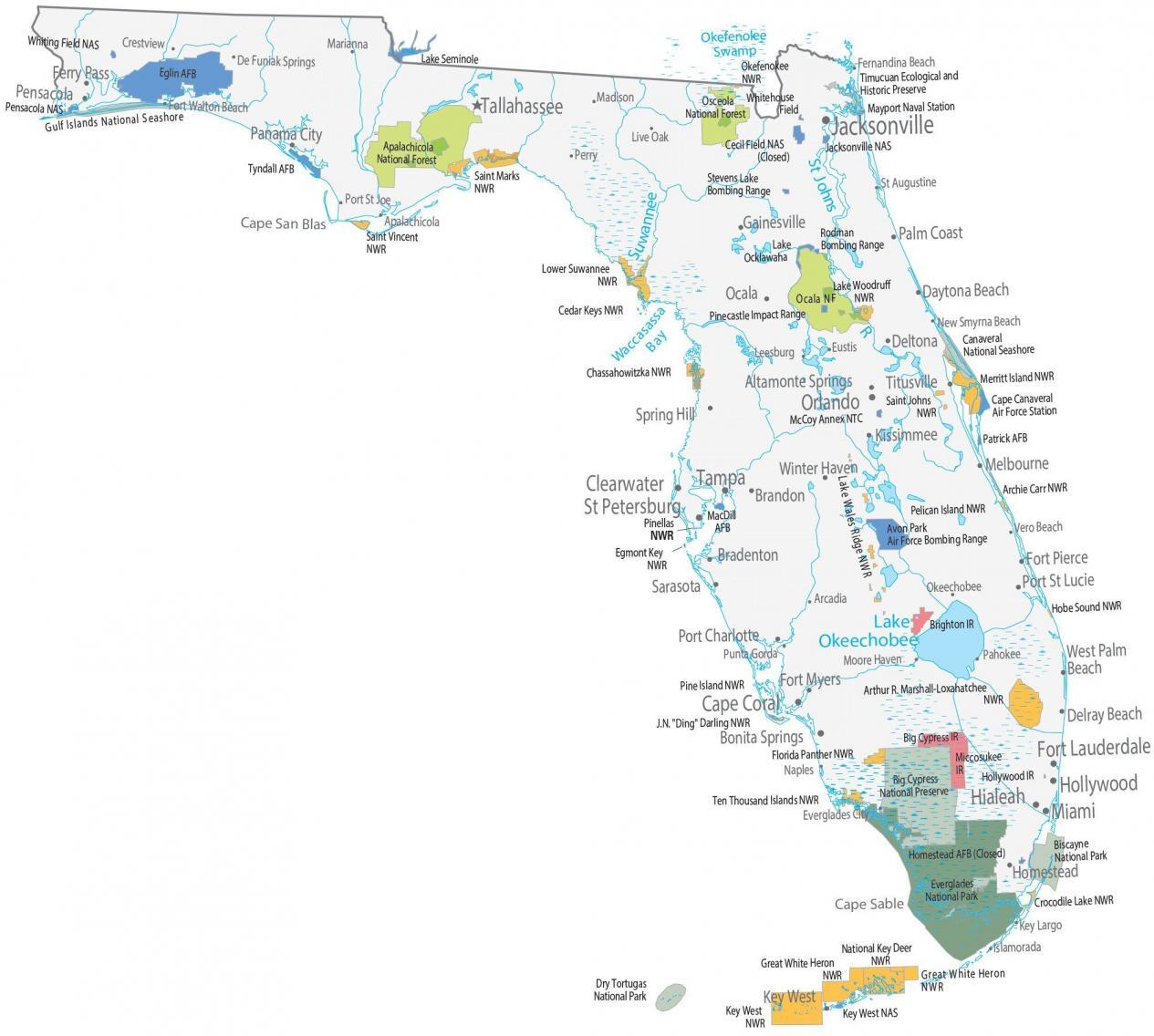
Florida State Map - Places and Landmarks - GIS Geography
Large Free Printable Map Of Florida
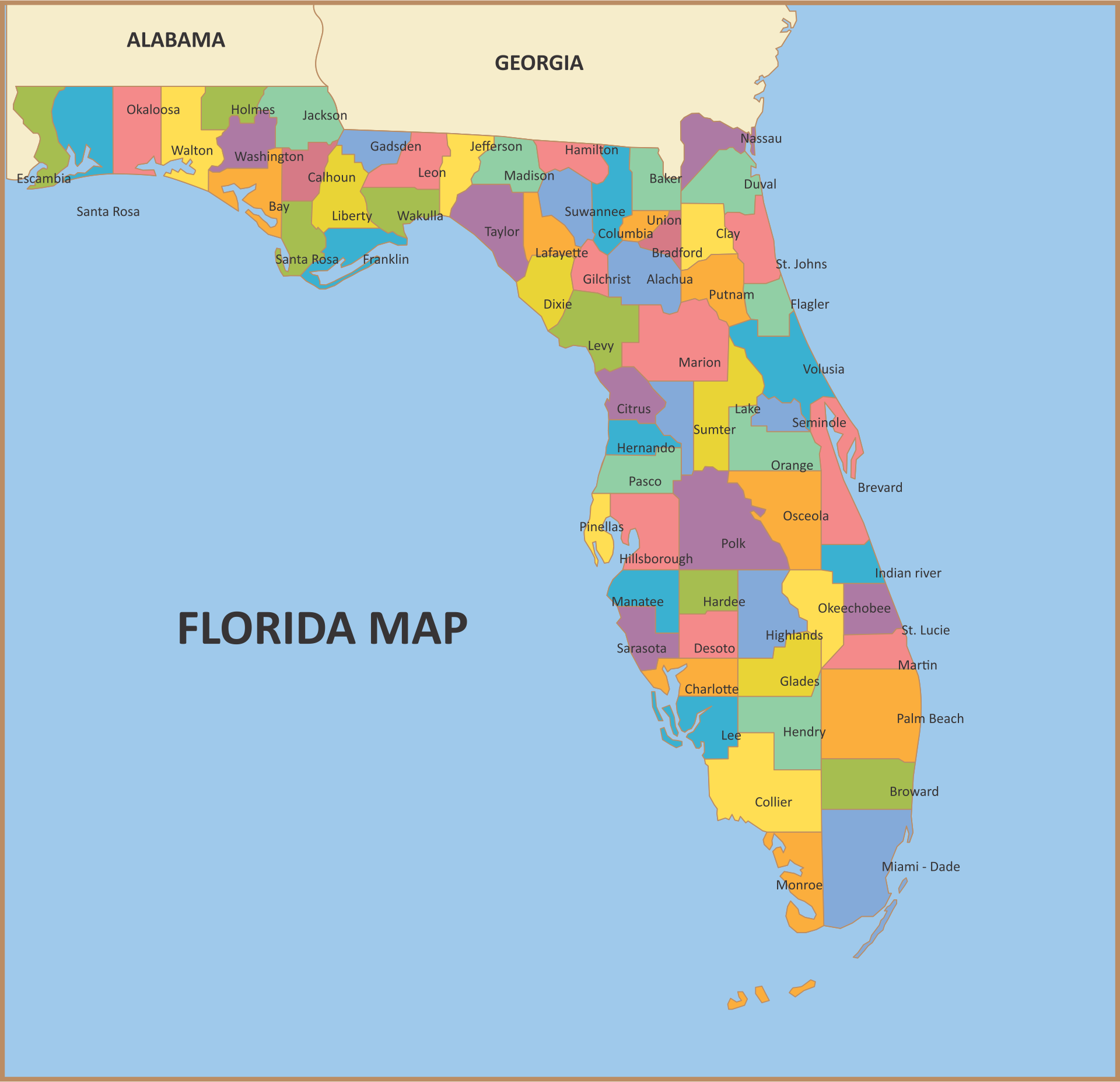
Large Free Printable Map Of Florida
Geography Of Florida - Alchetron, The Free Social Encyclopedia
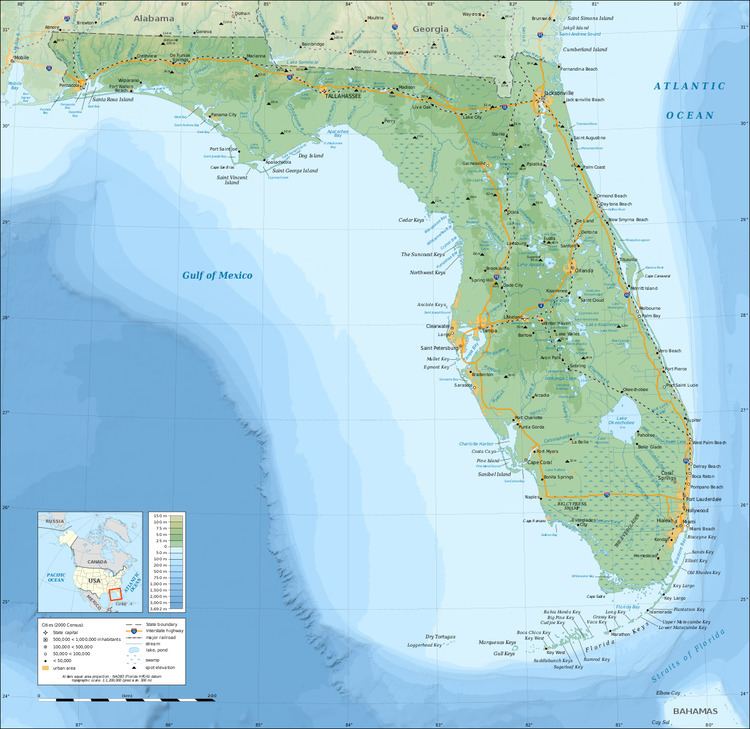
Geography of Florida - Alchetron, The Free Social Encyclopedia